🌍 Introduction
Cryptocurrency has become one of the most talked-about financial innovations in recent years. From digital payments to investment opportunities, crypto is transforming how people interact with money. However, for beginners, the space can feel confusing and risky.
This guide breaks everything down into simple steps so you can learn, understand, and start safely in 2026.
📘 Step 1: Learn Basic Terms
Before entering the crypto world, you must understand key terms.
🔑 Cryptocurrency
Cryptocurrency is digital money that operates without a central authority like a bank. It uses encryption to secure transactions and control supply.
🔗 Blockchain
Most cryptocurrencies run on Blockchain, a system that records transactions across many computers. This makes the system transparent and difficult to hack.
Blockchain
Blockchain is a distributed ledger technology that records transactions across a network of computers in a secure, transparent, and tamper-resistant way. It underpins many decentralized systems, most notably cryptocurrencies, and is increasingly applied in sectors such as finance, supply chain, and digital identity.
Key facts
- Structure: Linked list of cryptographically secured data blocks
- Consensus: Achieved through protocols like Proof of Work or Proof of Stake
- Immutability: Data alteration is computationally impractical once confirmed
- First implementation: Bitcoin (2009)
- Core benefit: Eliminates need for a central trusted intermediary
How it works
A blockchain is composed of sequential “blocks,” each containing a batch of transactions, a timestamp, and a cryptographic hash of the previous block. This design creates a chain of interdependent records distributed across all network participants (nodes). Consensus algorithms ensure all copies of the ledger remain synchronized and valid without a central authority.
Applications and impact
Beyond cryptocurrencies, blockchain technology supports decentralized finance (DeFi), supply-chain tracking, healthcare data integrity, and voting systems. Its transparency and resilience against data tampering foster trust in multi-party transactions and have spurred innovation in digital assets and smart contracts.
Advantages and limitations
Blockchain offers transparency, traceability, and security; however, it faces scalability issues, high energy use (in proof-of-work systems), and regulatory uncertainty. Efforts like layer-2 solutions and more efficient consensus methods aim to address these challenges while preserving decentralization.
Evolution and research
Emerging trends include interoperability between different blockchains, privacy-preserving techniques like zero-knowledge proofs, and applications in central bank digital currencies (CBDCs). Academic and industry research continues to refine blockchain’s efficiency and governance models for broader adoption.
👛 Wallet
A crypto wallet is used to store your digital assets. It does not physically hold coins but stores the private keys that give access to them.
🏦 Exchange
A crypto exchange is a platform where you can buy, sell, and trade cryptocurrencies.
👉 Why this step matters:
Understanding these basics prevents mistakes and scams.
📊 Step 2: Understand Market Types
Not all crypto trading is the same. Beginners should know the difference between market types.
🟢 Spot Market
This is the simplest way to trade crypto:
- You buy crypto and own it directly
- You can hold it long-term
👉 Best for beginners
🔴 Futures Market
This is more advanced:
- You trade contracts, not real coins
- You can profit from both rising and falling prices
- Uses leverage (higher risk)
👉 Not recommended for beginners without experience
⚖️ Key Difference
- Spot = safer, long-term
- Futures = risky, short-term trading
👉 Start with spot trading to reduce risk.
🪙 Step 3: Start with Safe Coins
Choosing the right cryptocurrency is very important.
🟡 Bitcoin (BTC)
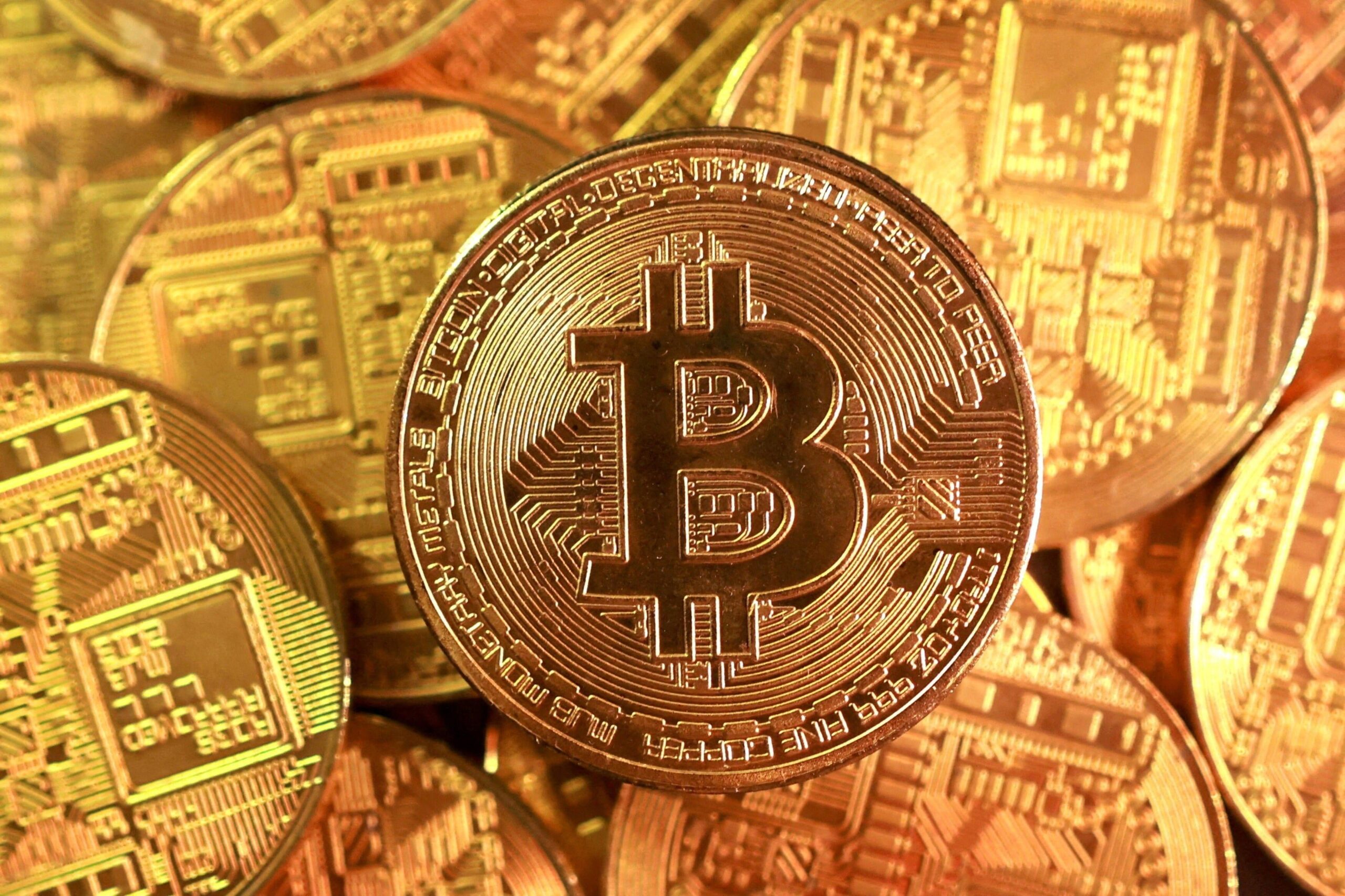
Bitcoin is the first and most trusted crypto.
Bitcoin
Bitcoin is a digital currency and payment system that operates without a central authority. Introduced in 2009 by the pseudonymous creator Satoshi Nakamoto, it was the first decentralized cryptocurrency, enabling peer-to-peer transactions verified through cryptography and recorded on a public distributed ledger called the blockchain.
Key facts
- Launch year: 2009
- Creator: Satoshi Nakamoto (pseudonym)
- Supply limit: 21 million bitcoins
- Consensus mechanism: Proof of Work
- Ticker symbol: BTC
Origins and development
Bitcoin emerged from the 2008 white paper “Bitcoin: A Peer-to-Peer Electronic Cash System,” which proposed a currency independent of banks or governments. The first mined block, known as the “genesis block,” was created in January 2009. Early adopters were drawn by its open-source nature and promise of financial sovereignty.
Blockchain and mining
Transactions are validated by a decentralized network of computers (nodes) solving cryptographic puzzles—a process called mining. Successful miners add new blocks to the blockchain and receive newly minted bitcoins plus transaction fees. The block reward halves approximately every four years, slowing issuance until the maximum supply is reached.
Economic and social impact
Bitcoin popularized the concept of digital scarcity and inspired thousands of subsequent cryptocurrencies. It has been used both as an investment asset and a medium of exchange, influencing debates on monetary policy, privacy, and energy consumption. Its price volatility and decentralized design continue to attract institutional and retail interest worldwide.
Regulation and current status
Global governments vary in their treatment of Bitcoin—ranging from legal tender adoption in countries such as El Salvador to outright bans elsewhere. It remains a foundational component of the broader cryptocurrency ecosystem, shaping the future of decentralized finance and digital money.
- High market value
- Widely accepted
- Lower risk compared to smaller coins
🔵 Ethereum (ETH)
Ethereum is known for smart contracts and apps.
- Strong ecosystem
- Popular for DeFi and NFTs
🟢 Stablecoins (USDT, USDC)
These coins are tied to real currencies like USD.
- Low volatility
- Good for beginners to reduce risk
👉 Beginner Strategy:
Start with BTC, ETH, or stablecoins before exploring smaller coins.
👛 Step 4: Use a Wallet Safely
Security is the most important part of crypto.
🔐 What is a Wallet?
A wallet stores your private keys, which give access to your crypto.
📱 Types of Wallets
1. Hot Wallet (Online)
- Mobile apps or websites
- Easy to use
- Slightly less secure
2. Cold Wallet (Offline)
- Hardware devices like USB
- Very secure
- Best for long-term storage
Example:
Hardware wallets like Ledger Nano S
🛡️ Safety Tips
- Never share your private key
- Use strong passwords
- Enable two-factor authentication (2FA)
👉 Important:
If you lose your private key, you lose access to your crypto permanently.
⚠️ Step 5: Learn Risk Management
Crypto is high-risk, so managing risk is essential.
💸 1. Don’t Invest All Your Money
Only invest what you can afford to lose.
📉 2. Diversify Your Portfolio
Don’t put all funds into one coin.
Example:
- 50% BTC
- 30% ETH
- 20% others
⏳ 3. Avoid Emotional Trading
Prices move quickly.
- Don’t panic sell
- Don’t chase hype
📊 4. Set Clear Goals
Decide:
- Long-term investment
- Short-term trading
🧠 5. Do Your Own Research (DYOR)
Always research before investing in any project.
👉 Golden Rule:
“High profit always comes with high risk.”
💡 Beginner Strategy (Simple & Effective)
🟢 Long-Term Holding (HODL)
- Buy strong coins
- Hold for months or years
- Ignore short-term price changes
🔵 Dollar-Cost Averaging (DCA)
- Invest small amounts regularly
- Reduce risk of market timing
🔴 Avoid Day Trading (Early Stage)
- Requires experience
- High risk for beginners
👉 Best approach:
Start slow, learn continuously, and grow your investment gradually.
🔮 Future of Cryptocurrency (2026 and Beyond)
Crypto adoption is increasing globally:
- More businesses accept crypto
- Governments are exploring regulations
- Blockchain is used beyond finance
In regions like Myanmar and Thailand:
- Crypto is used for remittances
- People use stablecoins to protect value
👉 This shows long-term potential, but also the need for careful learning.
🧠 Final Thoughts
Cryptocurrency offers exciting opportunities, but it is not a “get rich quick” system. Beginners should focus on:
- Learning fundamentals
- Starting small
- Staying disciplined
With the right knowledge and strategy, crypto can become a powerful financial tool.