












Nestled in the cool highlands of Shan State, Taunggyi offers a mix of spiritual beauty, cultural richness, and breathtaking landscapes. Whether you’re exploring ancient pagodas or enjoying scenic views, this destination has something for every traveler.
🛕 Sulamani Pagoda
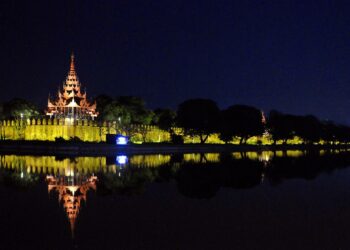
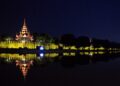
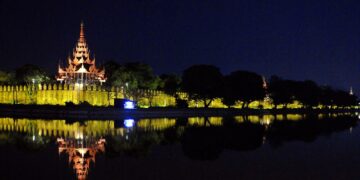
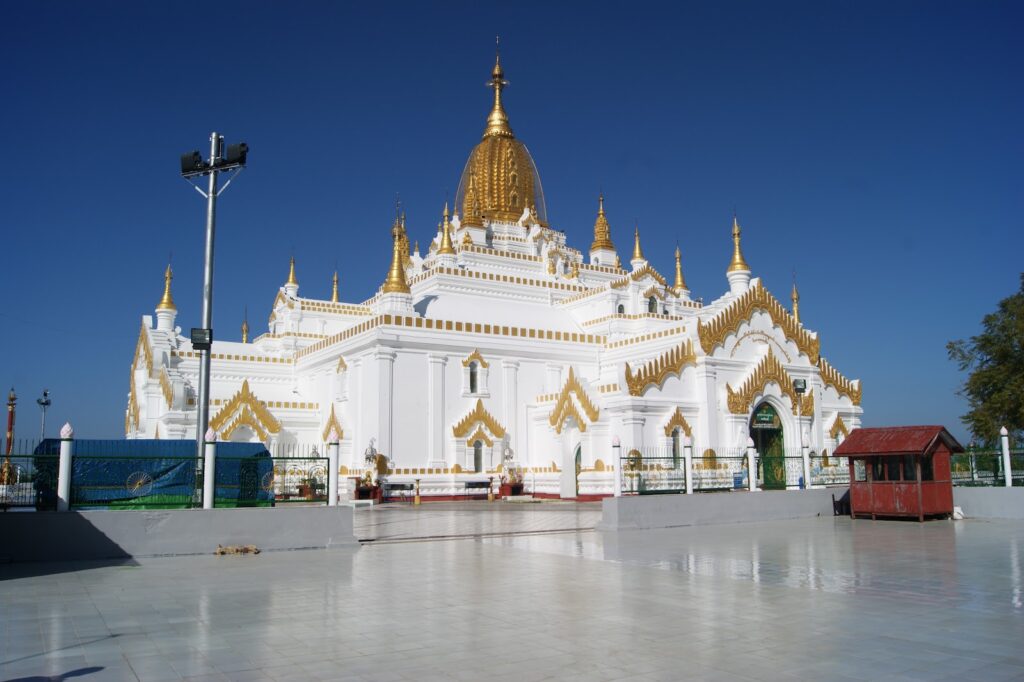
One of the most iconic landmarks in Taunggyi, Sulamani Pagoda stands gracefully in the heart of the city. Its golden stupa shines brightly, especially during sunrise and sunset, creating a peaceful and spiritual atmosphere. Visitors often come here not only for worship but also to enjoy the calm surroundings and observe local religious practices.
🌅 Shwe Phone Pwint Pagoda
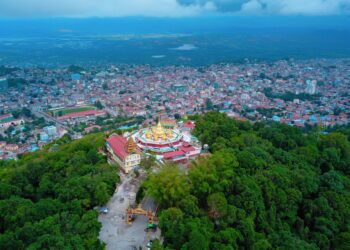
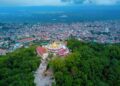
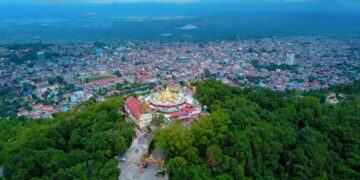
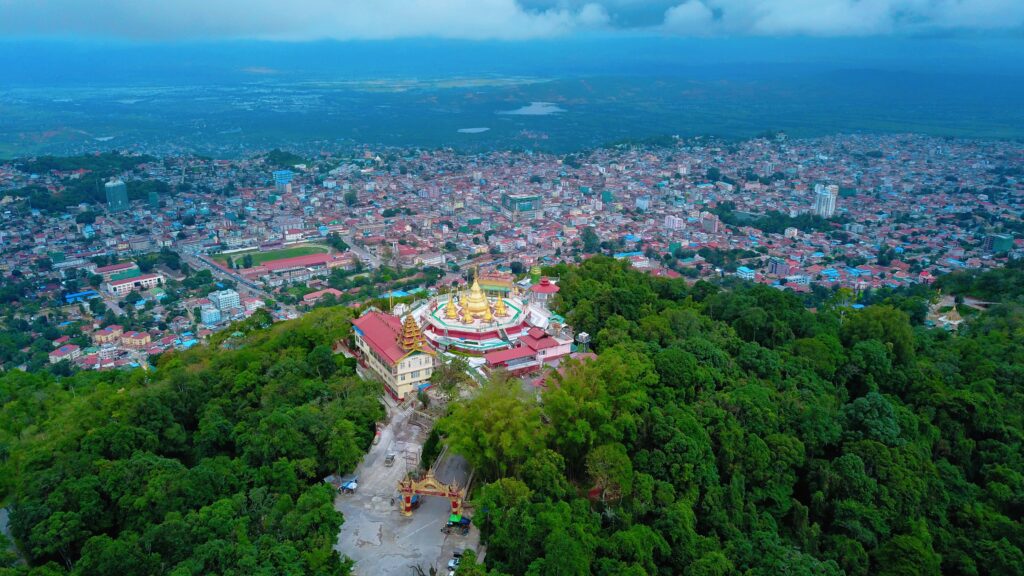
Perched on a hilltop, this pagoda offers one of the best panoramic views of Taunggyi. From here, you can see rolling hills, misty mountains, and the city below. It’s particularly magical in the early morning when fog blankets the landscape, or in the evening when the sky turns golden. A perfect spot for photography and relaxation.
🛍️ Mingalar Market
If you want to experience the local lifestyle, Mingalar Market is the place to be. This bustling market is filled with fresh produce, Shan traditional foods, handmade crafts, and colorful textiles. It’s also a great place to try authentic Shan cuisine like tofu noodles and sticky rice snacks while interacting with friendly locals.
🏯 Mwe Taw Kakku Pagodas
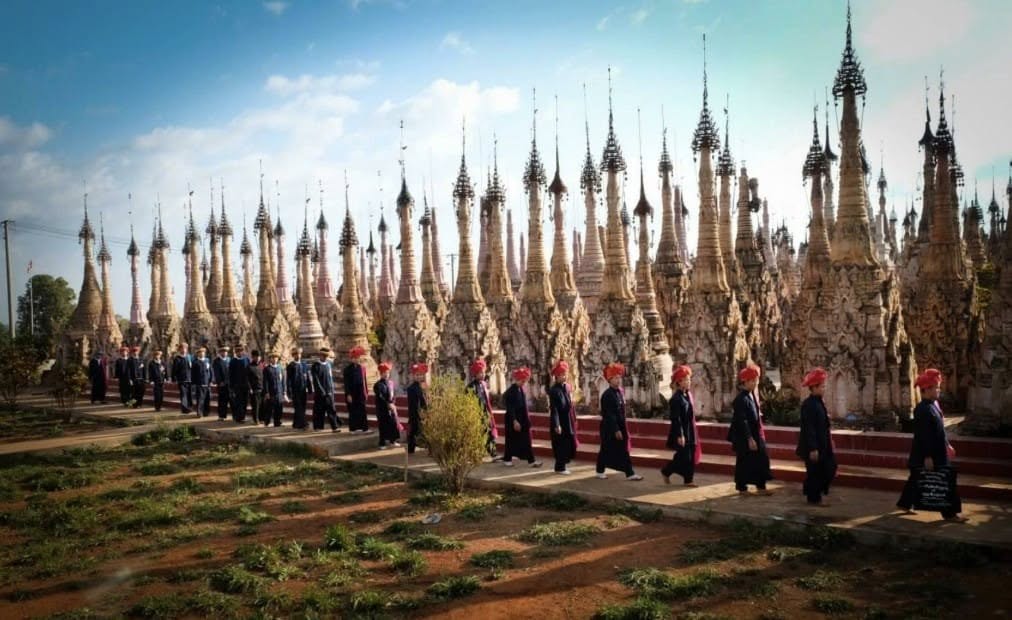
Located a short drive from Taunggyi, Kakku is a truly unique and spiritual site. Thousands of ancient stupas stand closely together, creating a mesmerizing forest of pagodas. Each stupa has its own design, reflecting centuries of history and devotion. It’s one of the most photogenic and peaceful places in Shan State.
The Mwe Taw Kakku pagodas are located near Taunggyi, Shan State.

Brief history of Buddha
In the year 307 BC, in the Magadha region of India, in the middle of the Mizzima region, in the Pataliputta region, a thousand monks led by the Venerable Mahamoggali Puttatissa held the third Sanghayana ceremony under the leadership of King Sridhamma Soka. To commemorate the successful conclusion of the Sanghayana ceremony, missionary groups were sent to nine regions and 84,000 stupas were built for worship.
The Suwannabhumi region (Myanmar) also participated in sending missionary groups to the nine regions. The missionary group was led by Shin Sona and Shin Uttara. When the Suwannabhumi missionary group brought relics from the Mizzima region of India and built pagodas to worship them, they brought relics to the Kakku region and built the Ashoka pagoda to worship them, complete with the prayers of the Kakku Buddha. At that time, there was a ceremony to bring relics to the Kakku Buddha.
During the Bagan period, King Alaungsithu (1174-1211 AD) traveled around the country and built many pagodas and worshipped them. In the Kaku region, he built the Pagoda of Phaungtaw, enshrining various relics and treasures. During the reign of King Alaungsithu, a ceremony was held to offer the relics.
How to set it up
Mwe Taw Kakku is a group of pagodas in one place. The proportions and shape are slightly different from those of pagodas in Myanmar. Outside the pagoda compound, there are large banyan trees. Behind the pagodas is Naung Mon Lake. Naung Mon Lake is always without water. Locals say that it is dry for six months and wet for six months.
3000 Kakumwetaw
1. I have heard that I read about the Kakku Mwe Daw in a book written by Bodaw Pagoda (King Padon) from 1785 – 1819.
2. In the 1973 bell inscription, the pagoda on the hill is called the Golden Cave.
3. The pagoda was inaugurated on 17 February 1802.
4. The 1893 bell in the middle of the pagoda rings the Kakumwetaw.
5. The pagodas are only around 15 feet high.
6. A letter states that when the number of pagodas was counted in February 2001, there were 2,478.
If so, I think it would be around 1800 AD. Since the pagodas have statues of deities, I think these works are most likely from around 1800, based on the position of the statues.
On the afternoon of March 12, 2003, Sai Aung Htun called Philip Saw Tauk, who lived on Ye Aye Kwin, Yea Thik U Road, Taunggyi Township. The man brought letters written in Shan language by the Kaku Burahtee clan, who had not yet arrived. They read the letters and translated them.
One letter says – The monk U Noit poured out his water.
Another thing – Lutthi U Sai has finished casting and offering.
The next one – 1158, the 2nd day of the new moon of Tabaung. (27 February 1797 AD)
At the Elephant Buddha Temple – For the sake of the three worlds, the merit of the great sage
Thanks to Philip Saw Tauk, we have a more precise date: 27 February 1797. It is likely that the merits of the Kaku Pagoda were established and worshipped around 1800 AD. [ 1 ]
Photos
🍷 Red Mountain Estate Vineyards & Winery
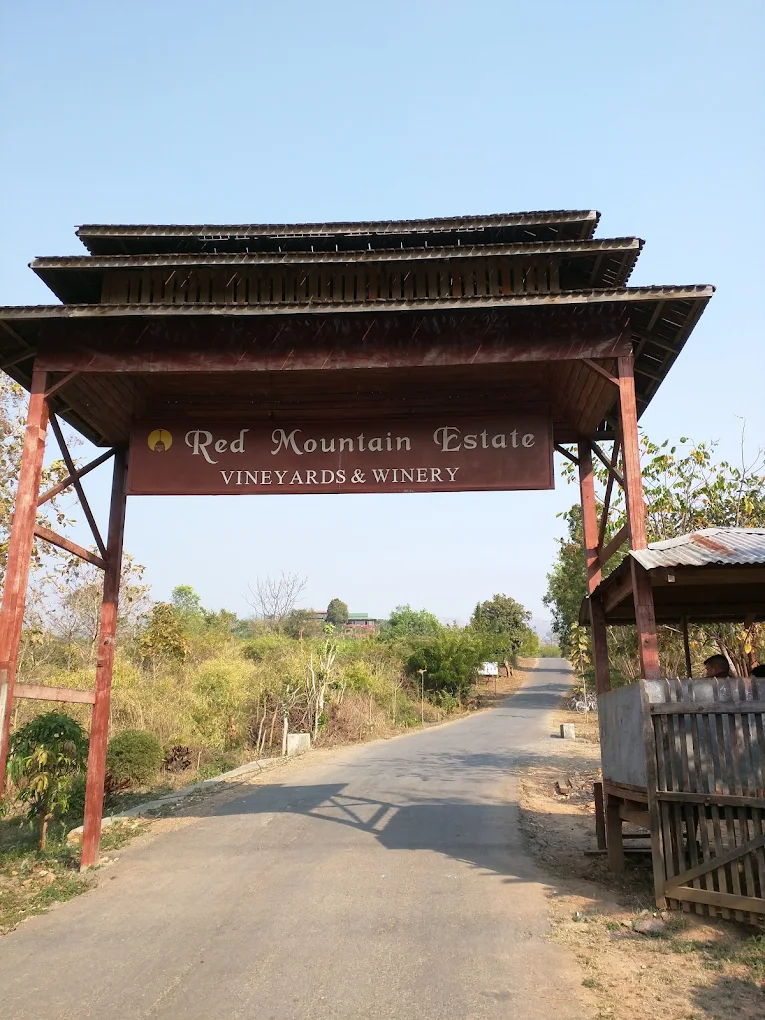
For a different experience, visit this beautiful vineyard overlooking the Shan hills and Inle Lake. You can enjoy wine tasting while watching the sunset over the lake. The cool climate makes it ideal for grape growing, and the peaceful setting is perfect for couples or those looking to unwind.
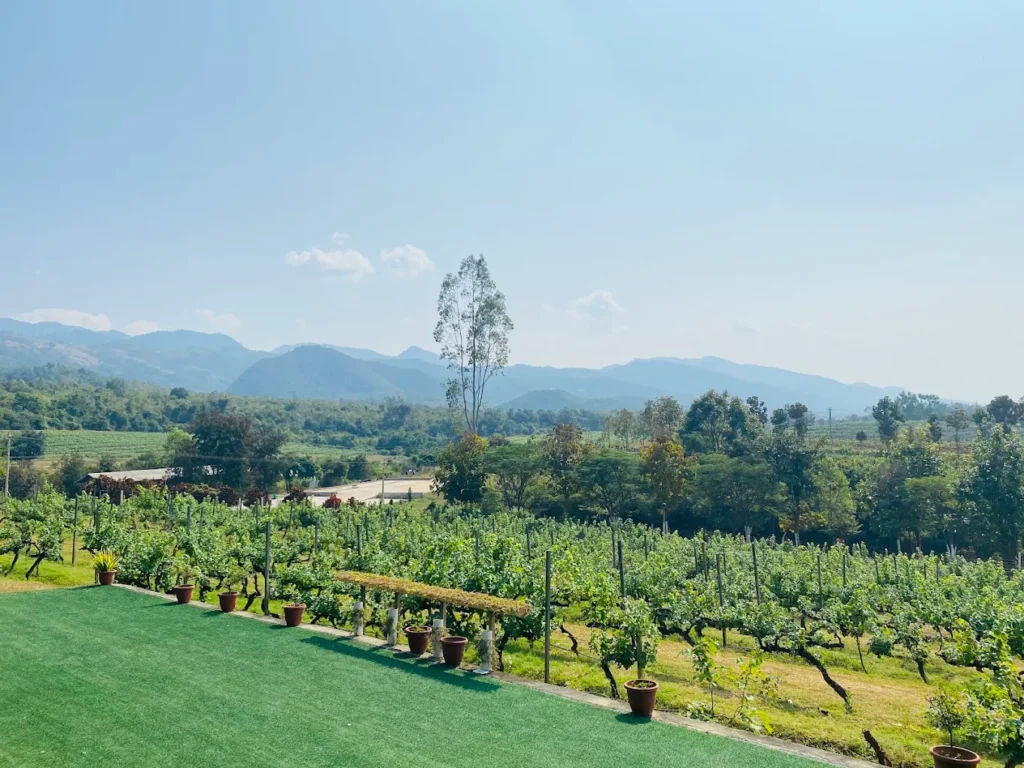
If you’re looking for a unique and relaxing experience in Shan State, this vineyard is a must-visit. Located on the hills between Taunggyi and Inle Lake, Red Mountain Estate offers stunning panoramic views of rolling vineyards, distant mountains, and the calm waters of Inle Lake.
📍 Location
The winery sits near Nyaung Shwe (the main gateway to Inle Lake), about a 20–30 minute drive from Taunggyi. Its elevated position makes it one of the best sunset viewpoints in the region.
🍇 Wine Tasting Experience
Red Mountain Estate is famous for producing locally grown wines thanks to the cool climate and fertile soil of the Shan hills. Visitors can enjoy a guided wine tasting session where you can sample a selection of their wines, typically served in small tasting glasses.
Some popular wines you can try include:
- Shiraz – rich and bold, with a slightly spicy flavor
- Cabernet Sauvignon – smooth, dry, and full-bodied
- Sauvignon Blanc – fresh, crisp, and slightly fruity
- Rosé Wine – light, refreshing, and perfect for warm afternoons
Each tasting usually comes with 3–4 different wines, allowing you to compare flavors and find your favorite. The staff often explain the background of each wine, how it’s made, and what foods it pairs well with.
🌅 Atmosphere & Experience
The highlight of visiting is the peaceful atmosphere. You can sit on the open terrace, sip your wine, and watch the sunset slowly fall over Inle Lake. The sky turns shades of orange, pink, and purple—making it a perfect spot for photos or a romantic evening.
The vineyard is quiet and less crowded compared to other tourist spots, making it ideal for:
- Couples looking for a romantic setting
- Friends wanting a chill, scenic hangout
- Solo travelers who enjoy nature and calm environments
🍽️ Food & Pairing
Light snacks and simple dishes are available to complement the wine. Cheese platters and local bites are often recommended to enhance the tasting experience.
⏰ Best Time to Visit
Late afternoon (around 4:30 PM – 6:30 PM) is the best time, as you can enjoy wine tasting and stay for the sunset view.
🚤 Inle Lake & Maing Thauk Village
Just a short trip from Taunggyi, Inle Lake is one of Myanmar’s most famous destinations. Known for its floating villages, stilt houses, and unique leg-rowing fishermen, the lake offers unforgettable boat tours. Maing Thauk Village connects water and land life, giving visitors a deeper look into local traditions.
🏛️ Shan State Cultural Museum
To understand the heritage of the Shan people, this museum is a must-visit. It showcases traditional costumes, ancient artifacts, and historical exhibits that tell the story of the region’s diverse ethnic groups. It’s both educational and culturally enriching.
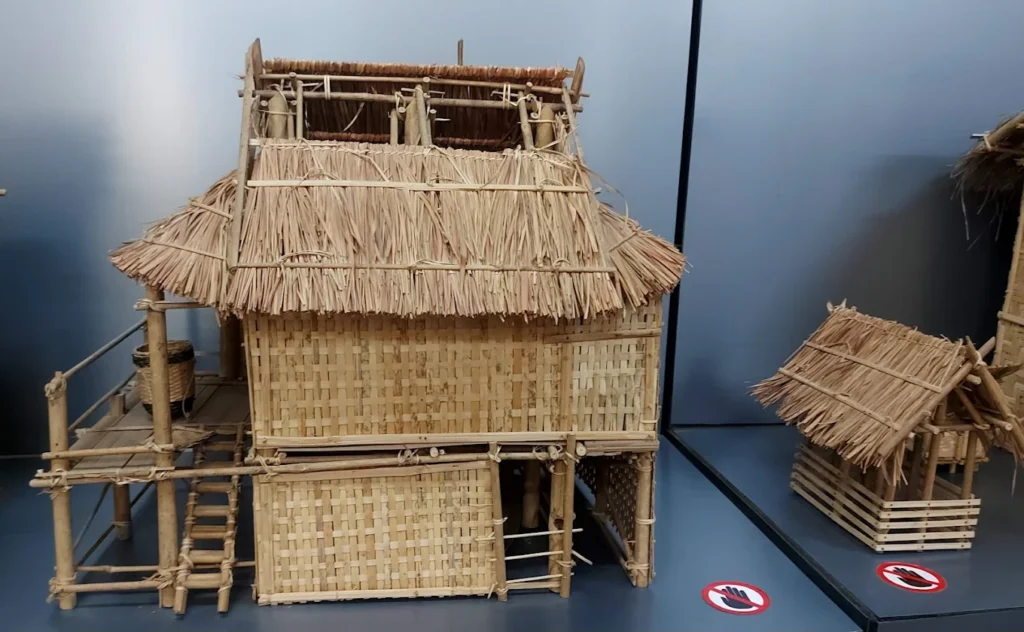
The Shan State Cultural Museum, also known as Cultural Museum (Taunggyi), is a museum located at Bogyoke Aung San Road and Eintawshay Road in Taunggyi, Shan State, Myanmar (Burma). It is one of the cultural museums operating under the Department of Archaeology and National Museum, part of the Ministry of Religious Affairs and Culture. Established in 1974, the museum displays divans, swords, fans, and chairs once used by the sawbwa (Shan chieftains of former times), along with old paintings, coins, and traditional costumes of the Shan peoples.[1]
History
The institution was initially organized as the Shan State Cultural Department on 27 June 1956, exhibiting cultural objects at the Shan State office. Following a new administrative system in 1974, it was transferred to the Cultural Institute Department and formally inaugurated as the Cultural Museum in its current building on 11 May 1974.
Displays
The Cultural Museum houses a total of 5,998 objects in its collection, with 808 display objects exhibited across four exhibition rooms.
The museum is a two-story brick building with a display area of approximately 11,200 square feet (1,040 m2). It features four exhibition rooms: Exhibition Room (1), Exhibition Room (2), Exhibition Room (3), and Exhibition Room (4). In total, 880 artifacts are showcased in these rooms.
Ground floor
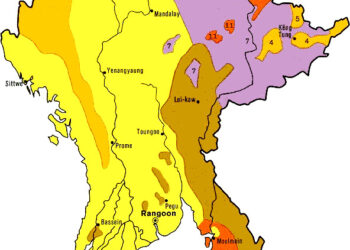
The reception hall features a 10-by-10-foot (3.0 m × 3.0 m) map of Shan State, the largest state in eastern Myanmar, which is divided into three regions: east, south, and north.
Exhibition Room (1) and Exhibition Room (2) are located on the ground floor. Exhibition Room (1) displays the traditional costumes and musical instruments of various Shan nationalities. Shan State is home to over 30 distinct Shan nationalities, each possessing unique cultures. Exhibition Room (2) showcases their intangible cultural heritage, including traditional arts and crafts such as weaving, lacquerware, glazed ware, and traditional Shan paper, accompanied by explanatory texts.
First floor
Exhibition Room (3) and Exhibition Room (4) are on the first floor. Exhibition Room (3) highlights the Panglong Agreement, a pivotal event for both Shan State and Myanmar. Signed on 12 February 1947, by General Aung San and leaders of Myanmar’s nationalities in Pinlon, Shan State, the agreement reflected their collective desire for independence from British rule. This room features a large 5-by-8-foot (1.5 m × 2.4 m) oil painting illustrating the signing, a copy of the agreement, and photographs of the signatory leaders with their biographies. Additionally, colorful paintings depicting the traditional cultures of various nationalities are displayed.
Exhibition Room (4) is dedicated to the literature of the Shan nationality, showcasing palm-leaf manuscripts and paper parchments, along with photographs and biographies of Shan poets. The room also demonstrates the deep Buddhist faith of the Shan people through displays of Buddha images made from bronze, wood, lacquer, and clay, as well as traditional utensils used for offering alms in monasteries. Furthermore, ancient artifacts representing the successive historical periods that flourished in Shan State are exhibited.
🎈 Taunggyi Fire Balloon Festival
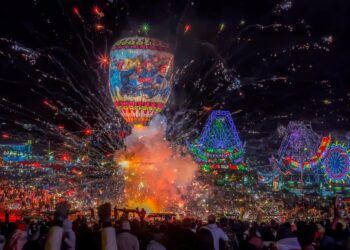
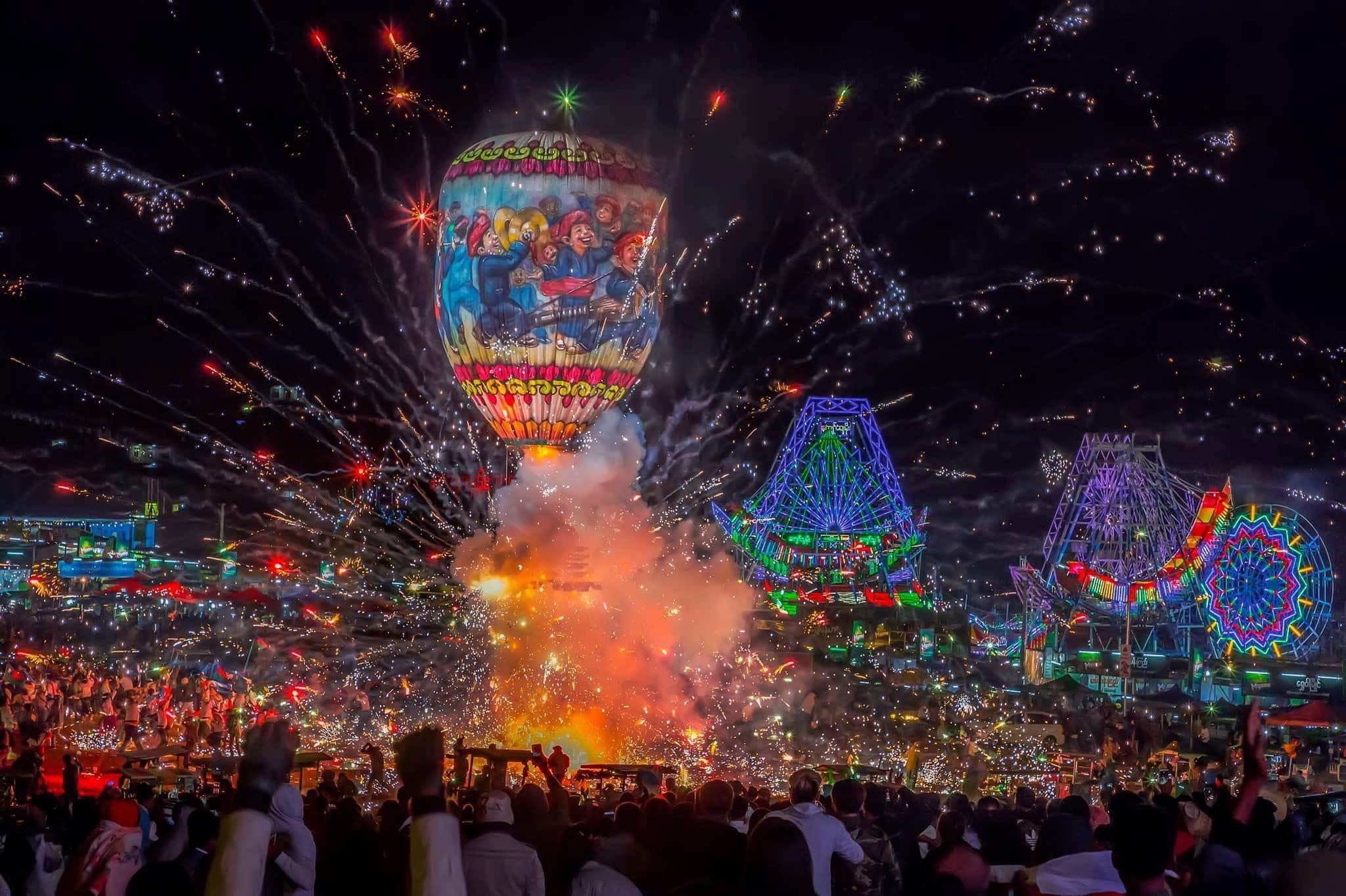
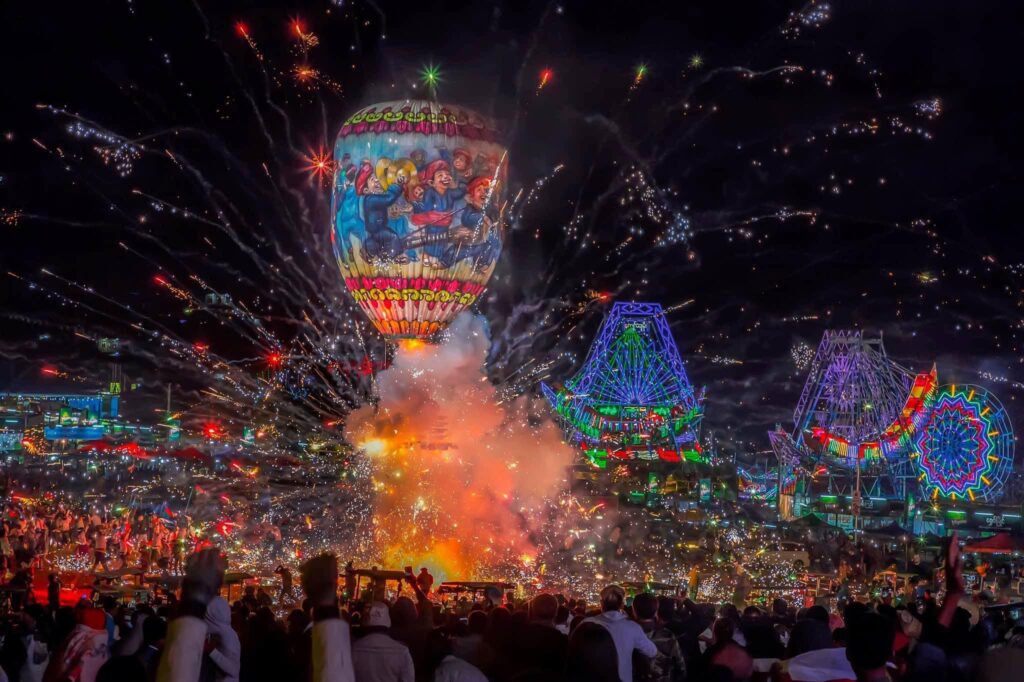
If you visit in November, don’t miss this spectacular festival. The night sky lights up with giant handmade balloons, fireworks, and vibrant celebrations. It’s one of Myanmar’s most exciting cultural events, attracting visitors from all over the country.
✨ Travel Tip
The best time to visit Taunggyi is during the cool season (November to February), when the weather is pleasant and perfect for sightseeing.